
Resistance & Resilience is an independent digital publication amplifying Black music, culture & art.
Literary Nonfiction & Essays
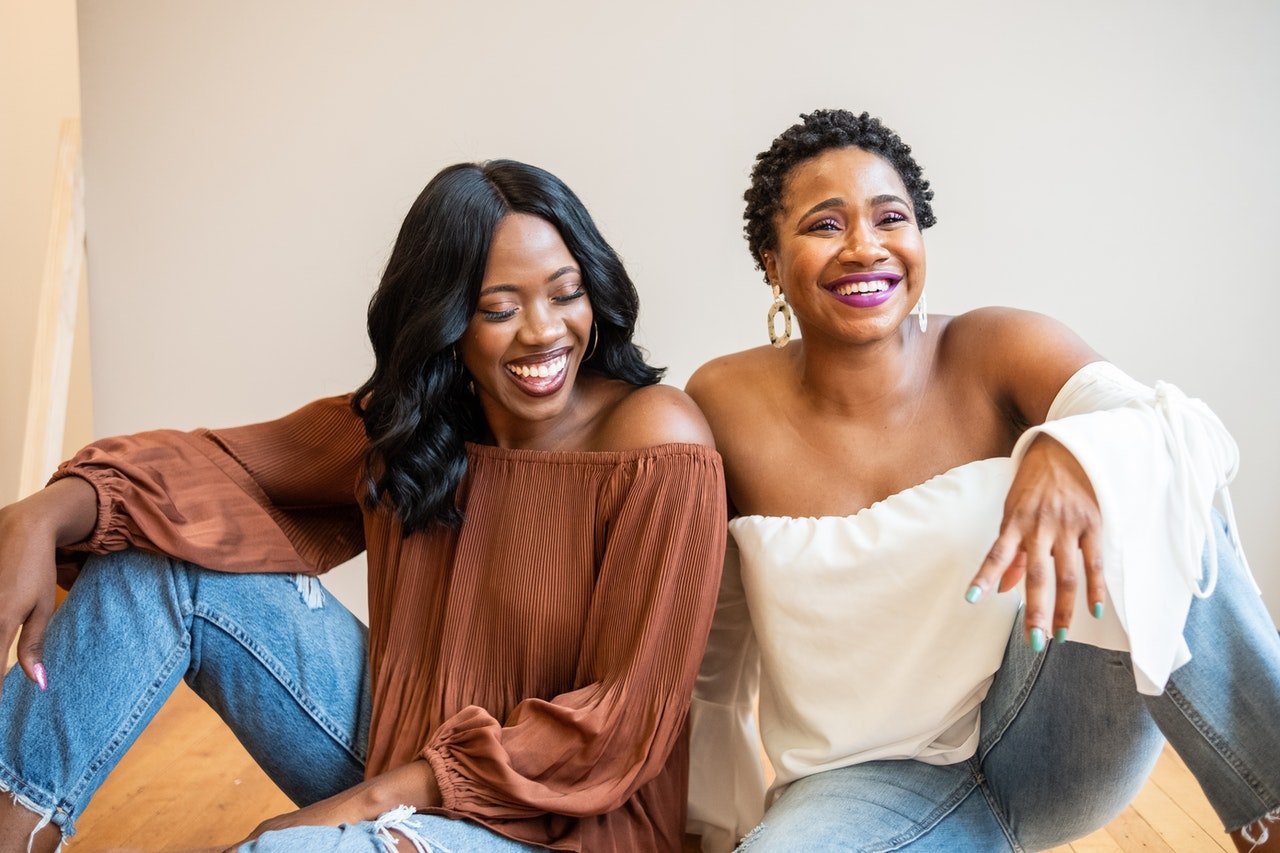
Shanisha Branch received her Master of Fine Arts in Creative Nonfiction at Old Dominion University in May 2021. Her poems “Ode to the Afro” and “How to Smile” were accepted into the Poetry on the Pavement contest where they were displayed on sidewalks throughout Norfolk, Virginia during Fall 2021. She resides in Portsmouth, VA where she teaches high school English; and writes a biweekly newsletter called The Honest Virgin where she discusses womanhood, agency, and sexuality. You can find her on Instagram & Twitter @thehonestvirginxo.
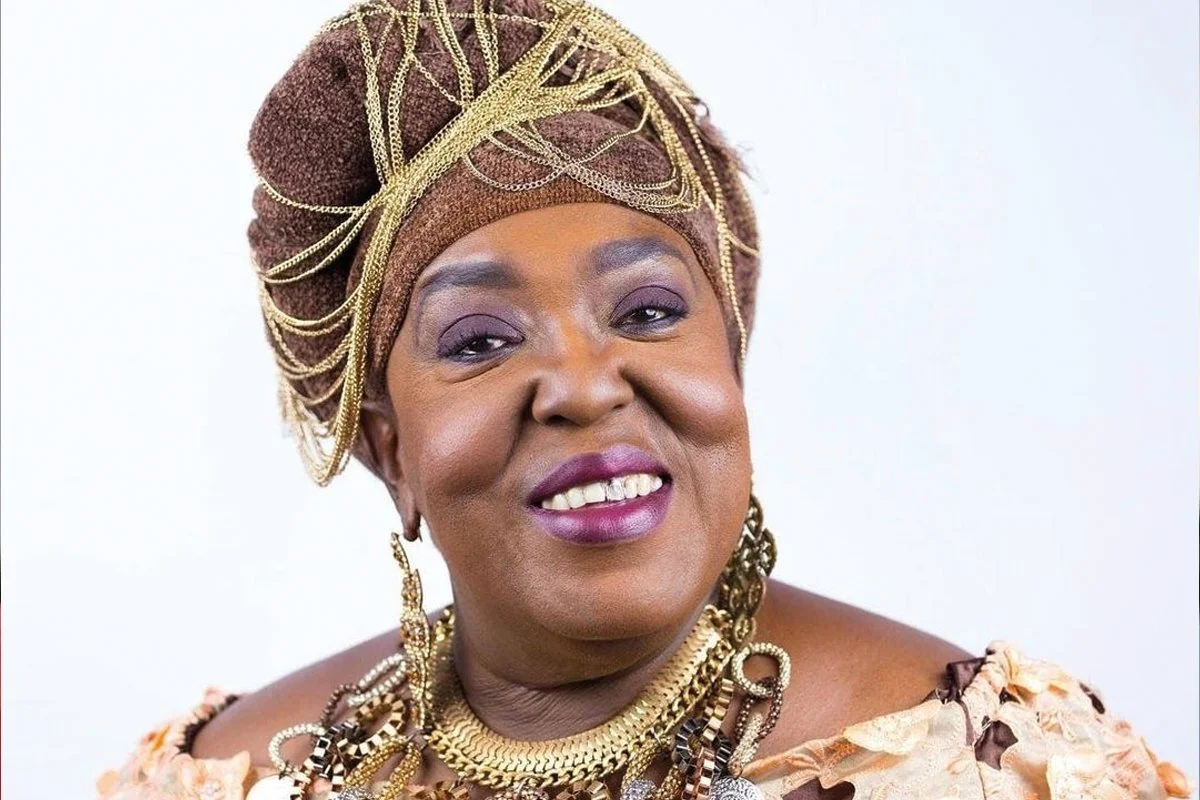
Iris has stories published in: The Best New True Crimes: Small Towns (Mango Publishers, 2020), Storyhouse Weekly Reader, HELD Magazine, The Best New True Crimes: Partners In Crime (Mango Publishers, 2022), and Parenthood Uncensored (Keeping It Under Wraps, 2022). Follow Iris on Twitter: @LeonaCross15
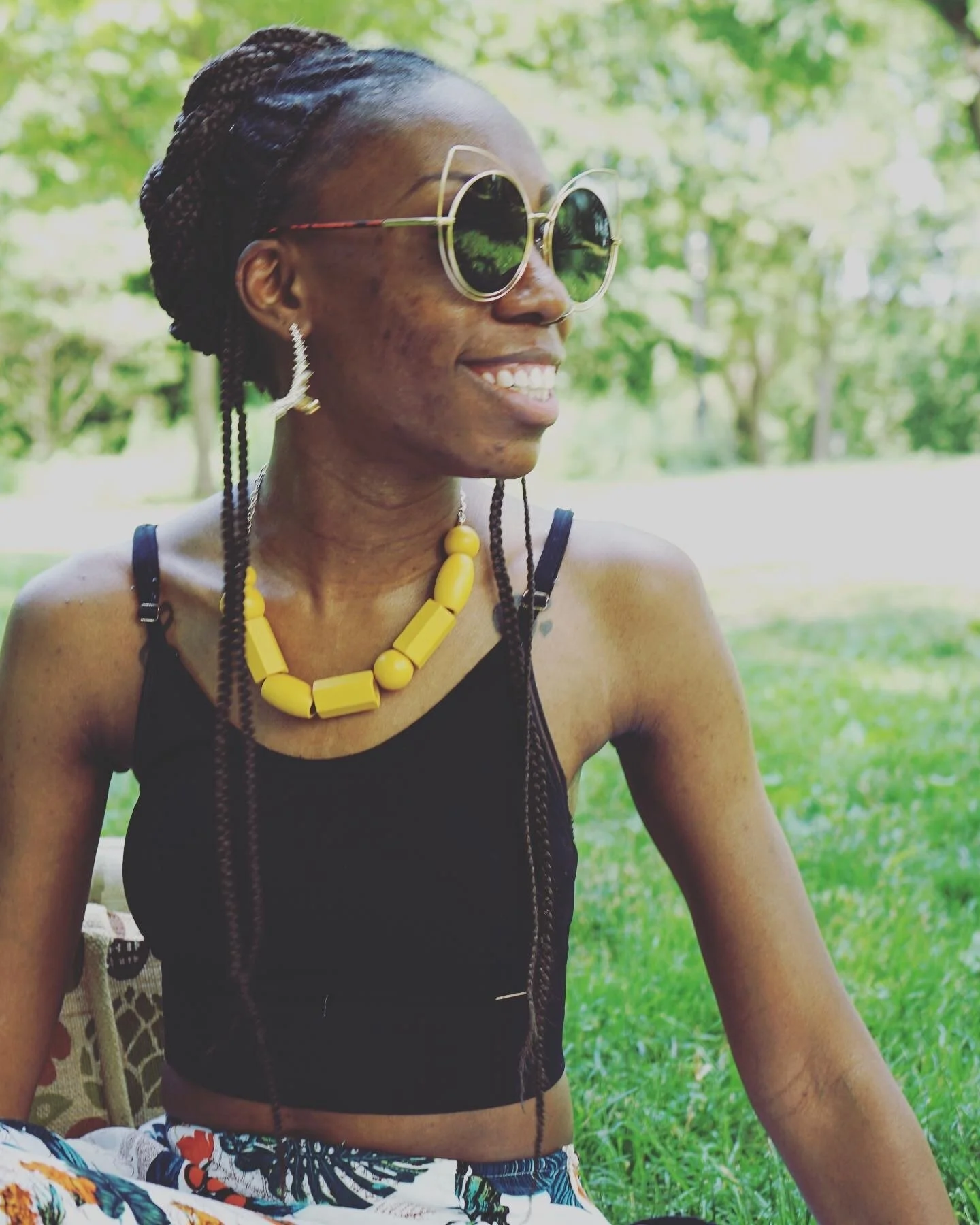
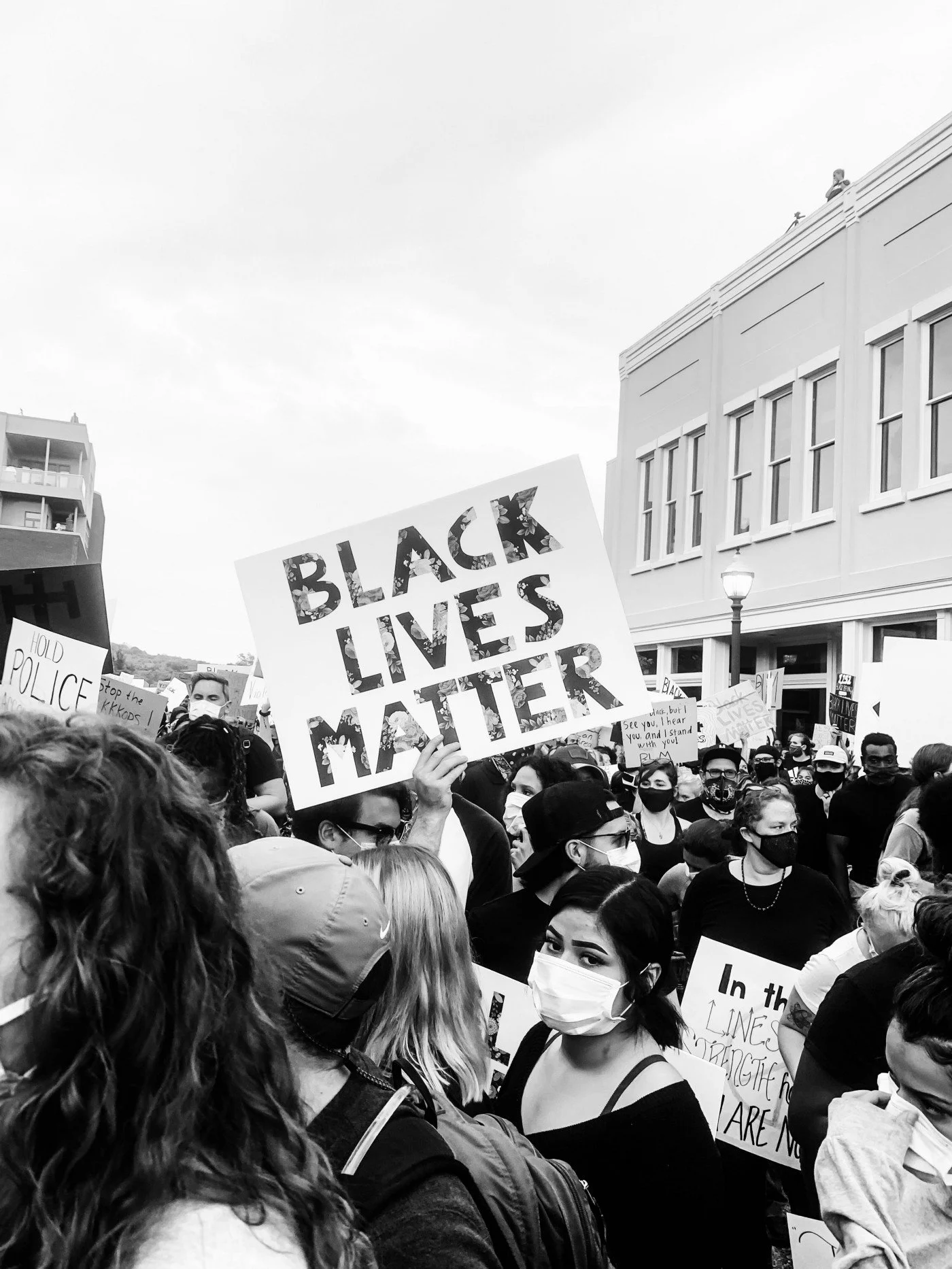
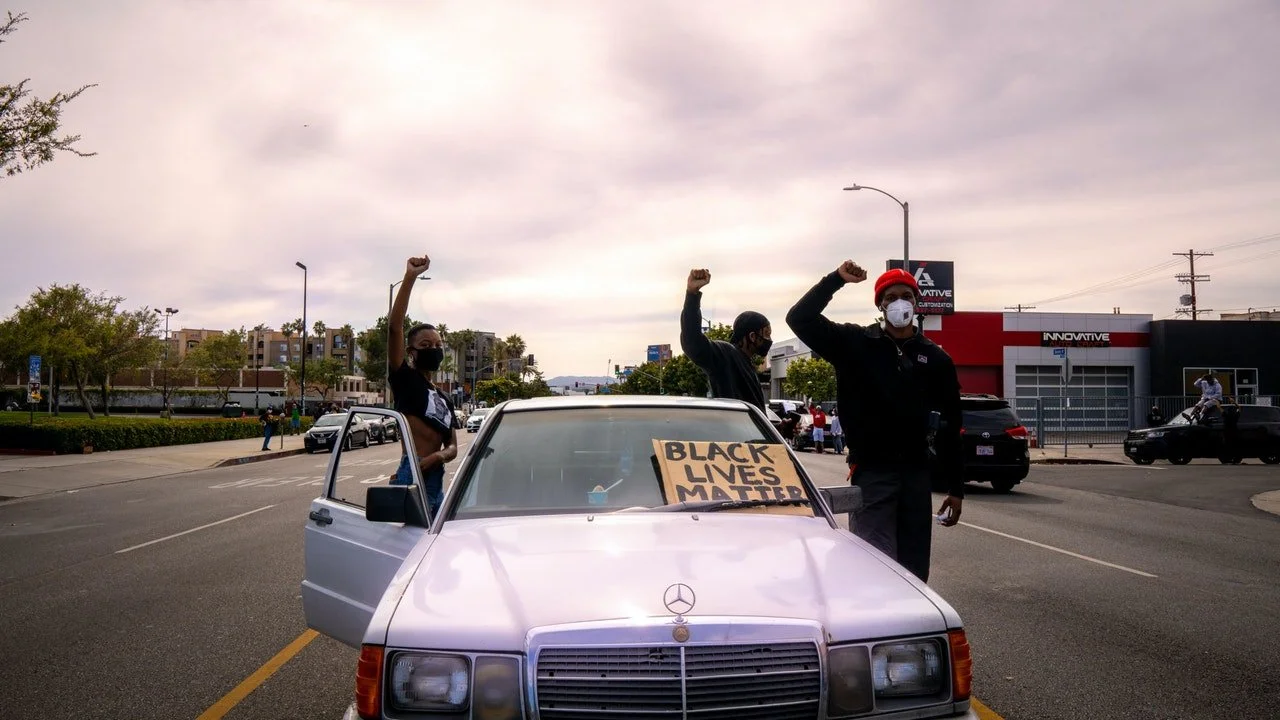
I want to be mindful about what I share and what messages I’m trying to evoke particular in other Black folks. I can do both—speak against injustices and be unapologetic about my joy.
Tension was familiar, it was a part of every home I’d known until then. My body, I knew, was not my own. The physical abuse I suffered before being adopted, and after, left scars on my body that are still with me today. My mind was the only safe place, where no-one could enter.
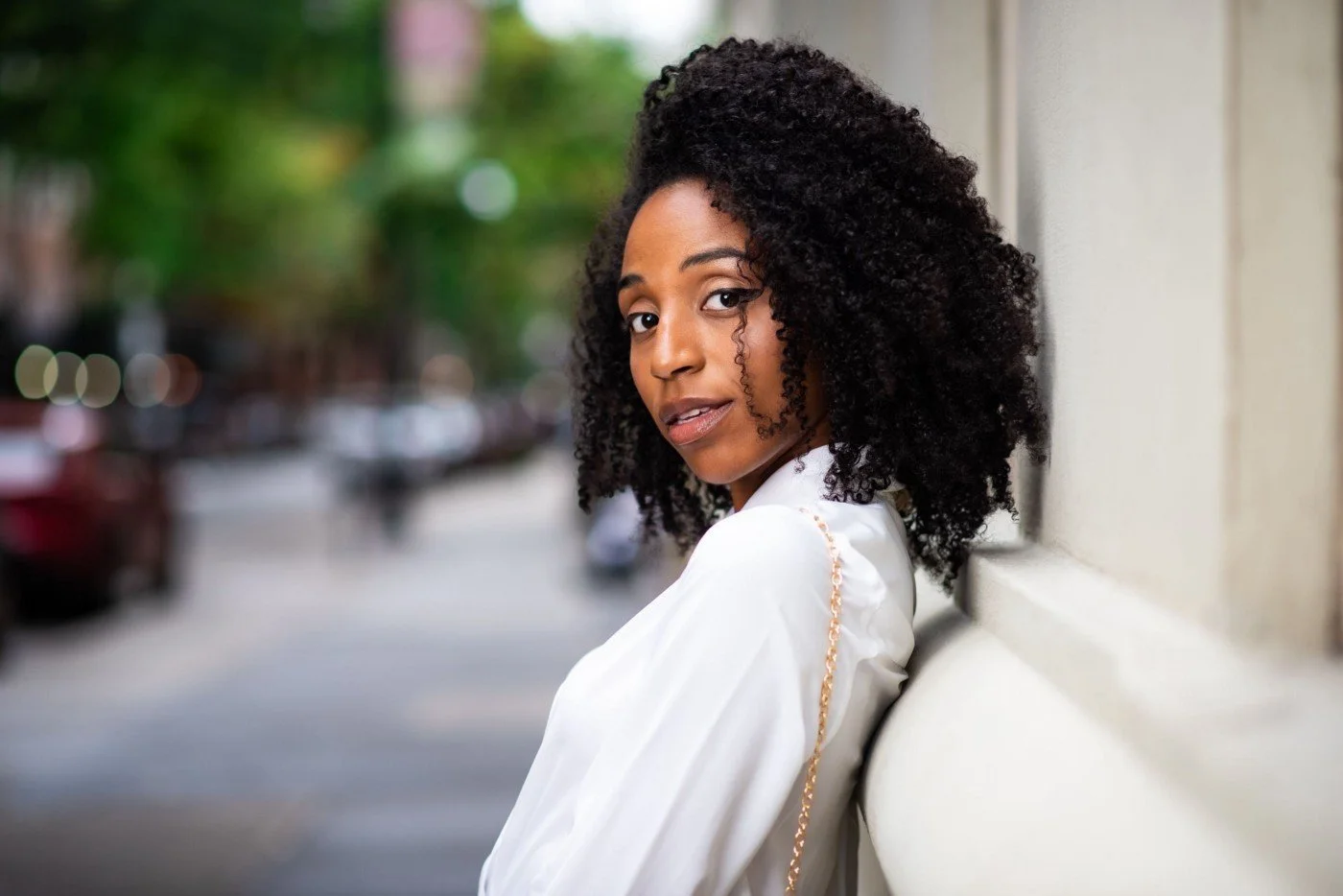
Taking care of and loving ourselves as Black women is one of the most revolutionary things we can do, especially in the entertainment industry.
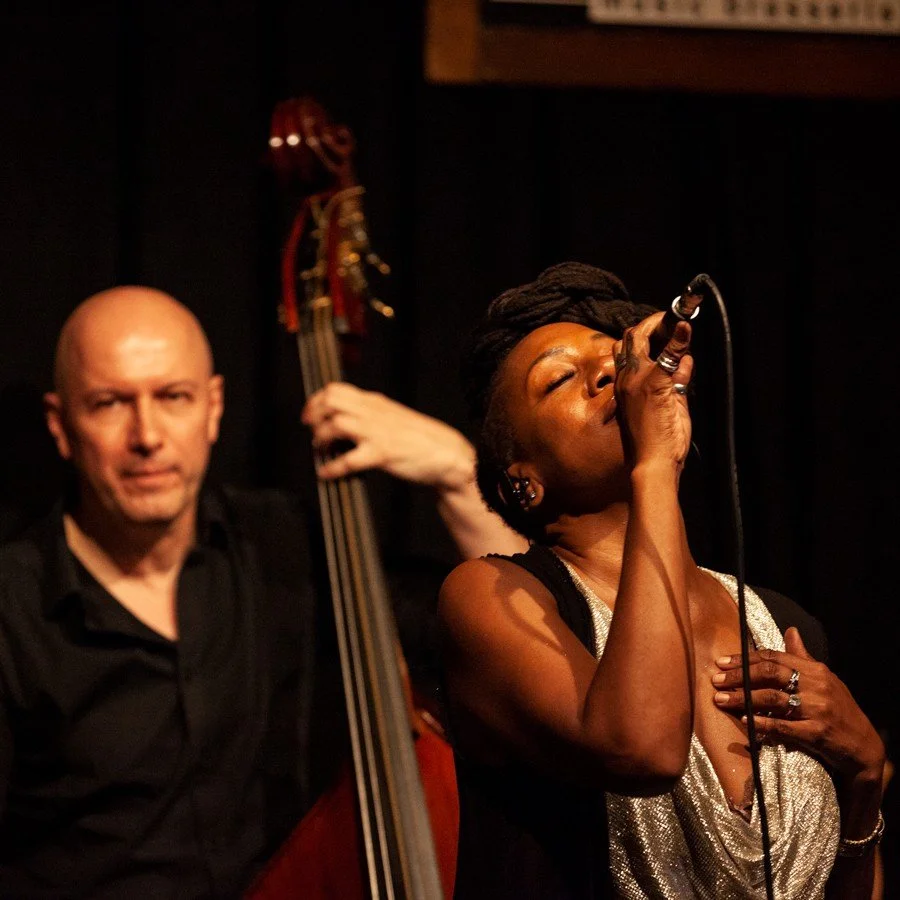
The celebration of Black joy that we get from music is almost a priceless counterculture in the medium, a spotlight that illuminates an audience of Black faces.

As writers, when we leave this earth, our words will live on. Our thoughts will still take up space in this world.
Poetry
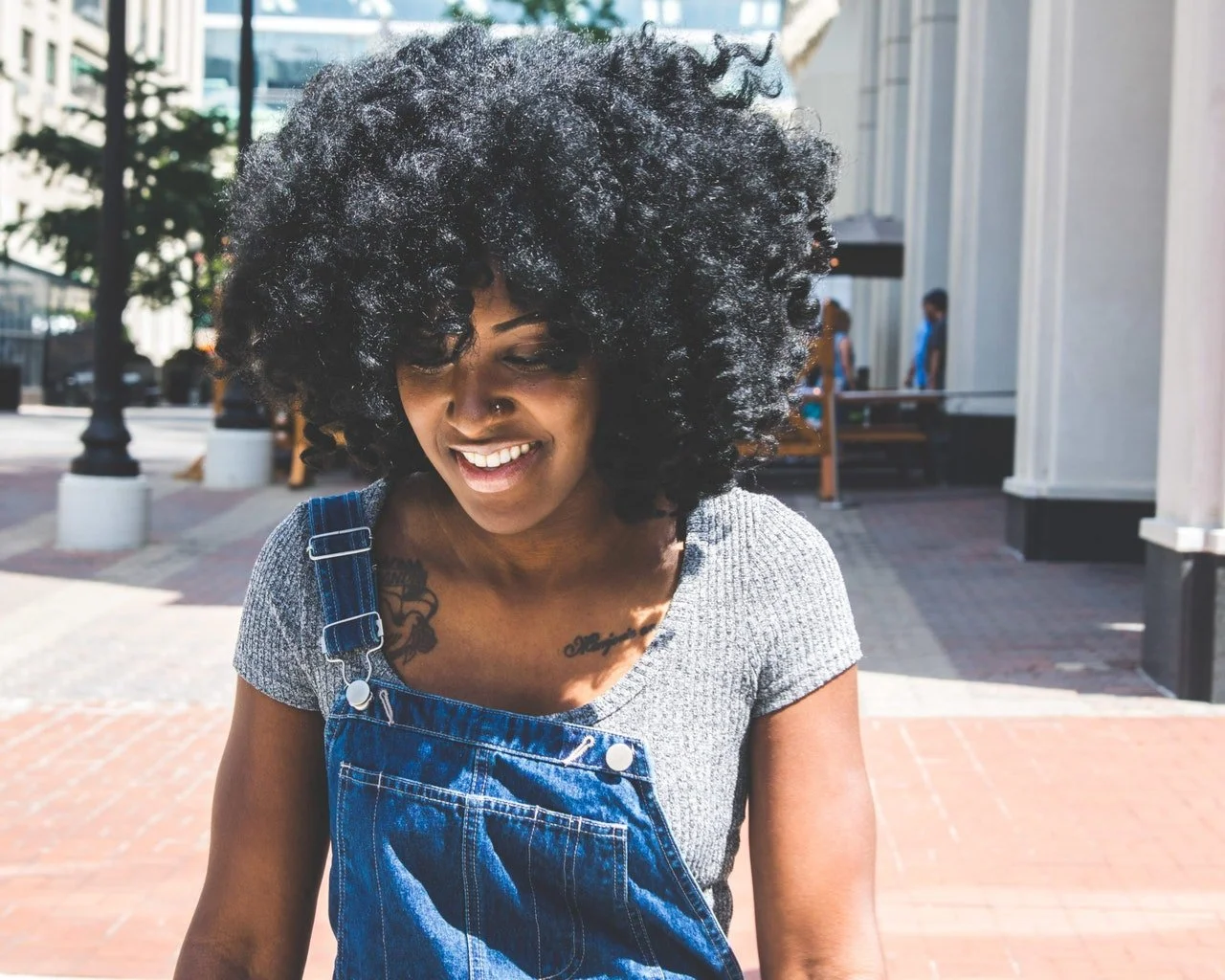
Robyn Chiara Fohouo (she/her/hers) is a student at Columbia University and began writing poetry in the turbulent summer of 2020, taking great comfort in attending virtual poetry workshops hosted and attended by incredibly welcoming writers. She writes to understand and make something of herself. If not for poetry, she knows not where her emotions would lie. Robyn has been published in Brown Sugar Literary Magazine.
KB is a Black/queer/transmasculine poet, essayist, cultural worker, and Artivism Fellow with Broadway Advocacy Coalition. They write to tether themselves to the history of folks like them and to validate the experiences/personhood of Black, queer, and trans people. KB has pieces published with Huffington Post, American Poetry Review, Teen Vogue, and other places. They are the author of How To Identify Yourself with a Wound (Kallisto Gaia Press, 2022) and Freedom House (Deep Vellum Publishing, 2023). Follow them online at @earthtokb.
Mia Brabham is a writer and conversation lover. Her debut book, Note to Self, is a short collection of personal musings that is in the hands of readers all over the world. Mia is also the co-host of Two In The Morning.
Robyn Chiara Fohouo is a student at Columbia University and has been published in Brown Sugar Literary Magazine. She first began writing poetry in the turbulent summer of 2020, taking great comfort in attending virtual poetry workshops hosted and attended by incredibly welcoming writers.
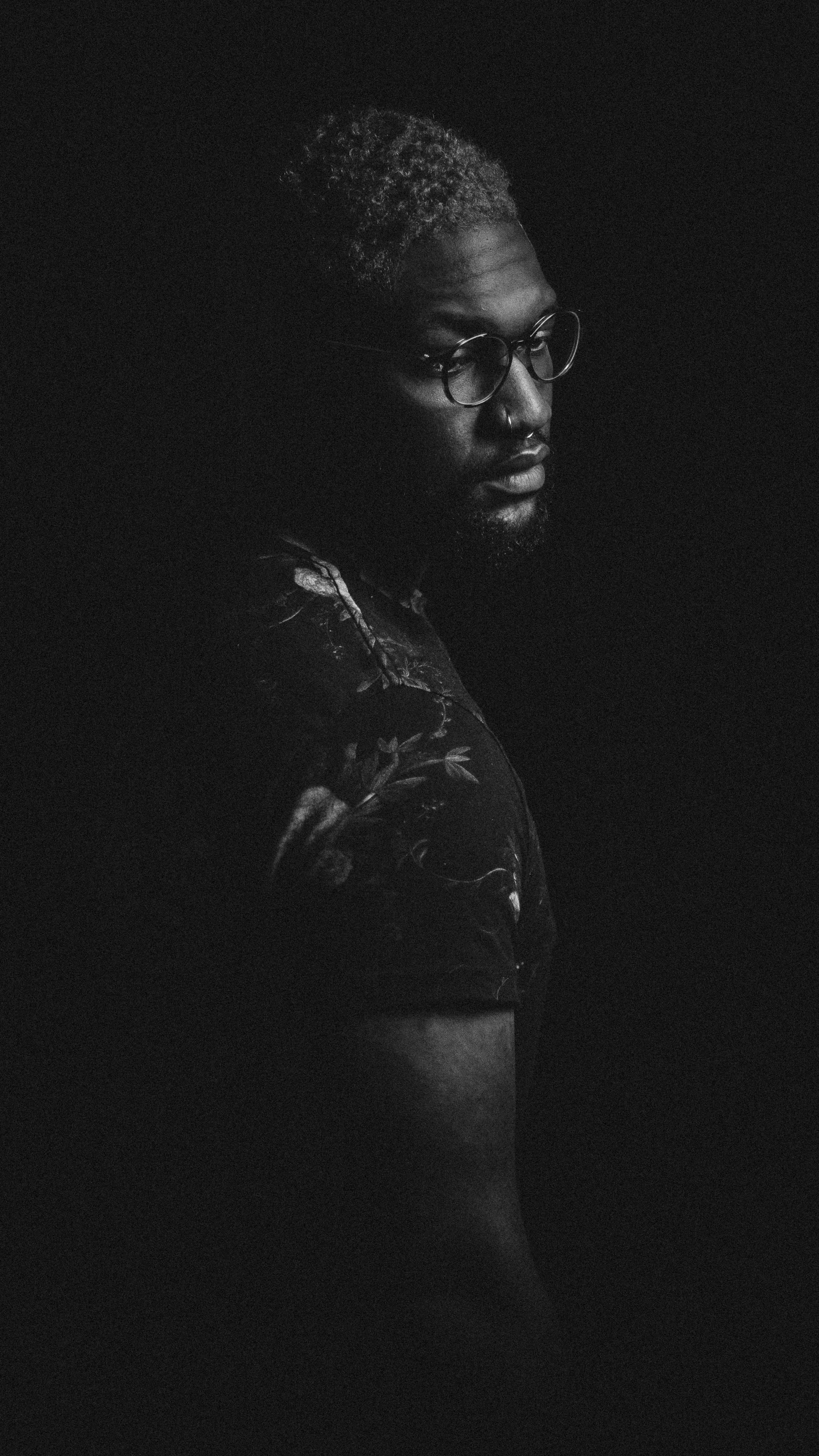
KB is a Black/queer/transmasculine poet, essayist, cultural worker, and Artivism Fellow with Broadway Advocacy Coalition. KB has pieces published with Huffington Post, American Poetry Review, Teen Vogue, and is the author of How To Identify Yourself with a Wound (Kallisto Gaia Press, 2022) and Freedom House (Deep Vellum Publishing, 2023).
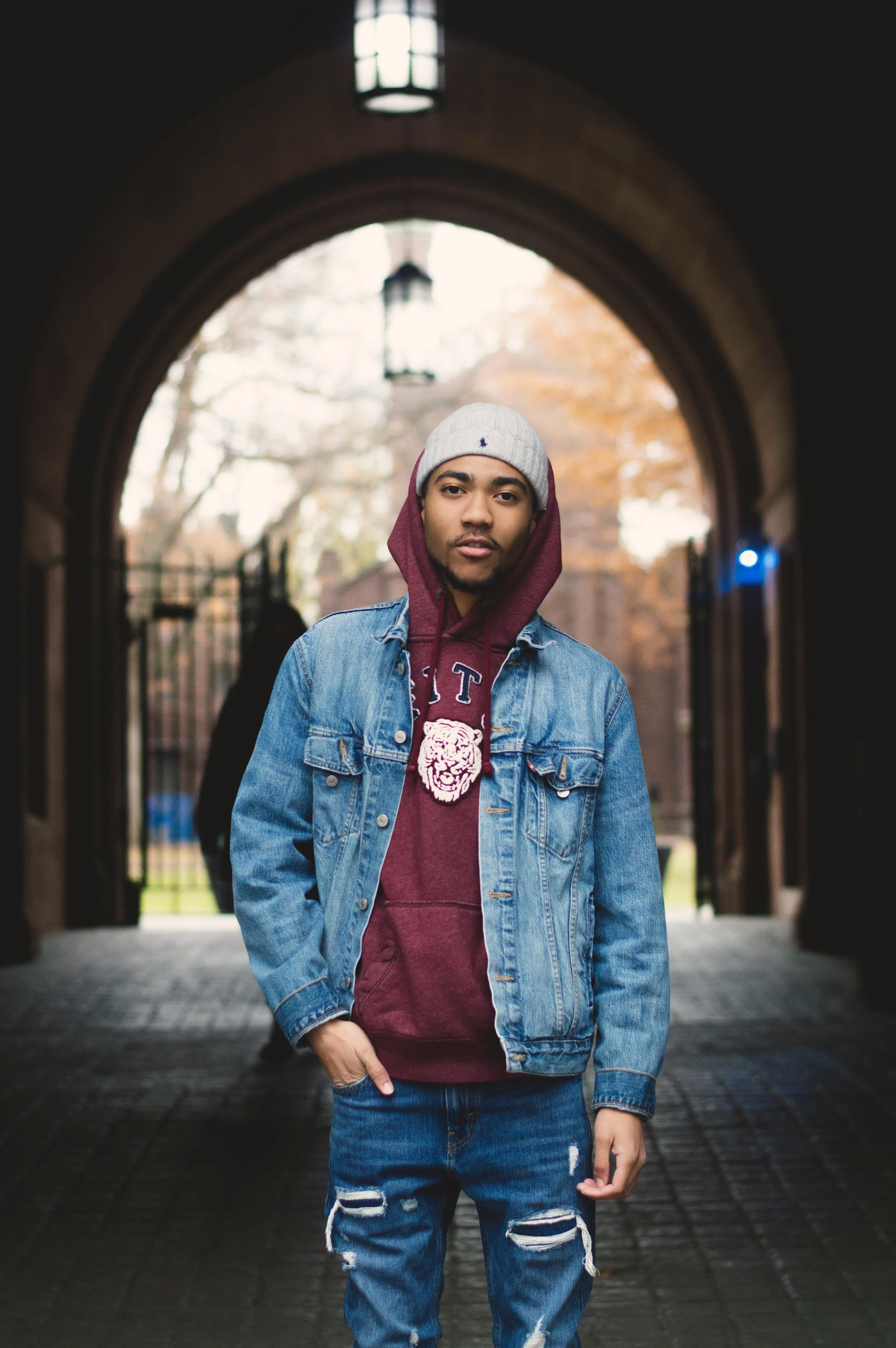
Nick Courmon is an international poet, spoken word artist, workshop facilitator, and motivational speaker from Greensboro, NC. Nick has been featured in the Los Angeles Times, NBC's Today, VICE News, and Narratively; and has collaborated with Beats by Dre, USA Today, the Museum of Contemporary Art: North Miami, Missourians Against the Death Penalty, Democracy NC, NC Black Alliance, the Wounded Warrior Project, Palta.

Reviews, Interviews, and Features

M.A.S. Frimpong is a music curator; writer; and storyteller, influenced by the intersections of art, technology, identity, and memory. Frimpong’s fiction writing explores the human condition, specifically confusion, loneliness, joy, wonder, and pain; and non-fiction writing focuses on a personal, analytical take on visual culture (movies, film, animation) and books. Frimpong’s writing portfolio includes a self-promoted short story called “Pray for Rain” published on Medium and adapted into a short 3-D comic, “The Talk” which was published in OF ZOOS. Frimpong is based in the DMV area.

Alex Elle is the author of multiple books, host of hey, girl podcast, wellness consultant, and instructor of writing retreats and workshops. And her latest book, After the Rain, explores obstacles, confidence, and abundance.

Since magic belongs to us, we should rewrite how racism is presented on the big screen. Lovecraft Country is an HBO series created by Misha Green and inspired by Matt Ruff’s 2016 novel, of the same title.
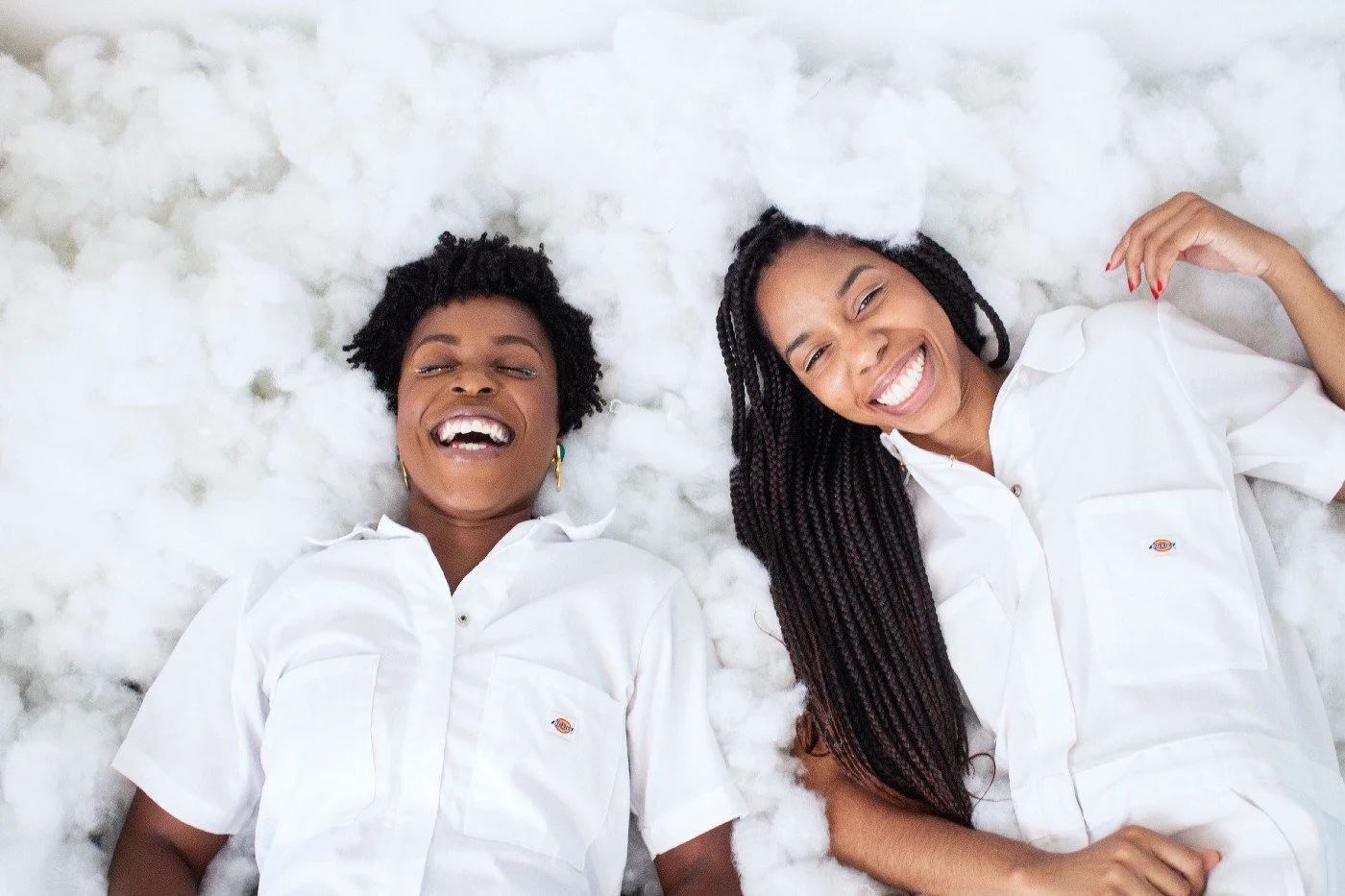
A Memphis-based immersive experience brand helping people enjoy life during trying times.

I sat down (over Zoom of course) with Dion Summers, the Vice President of Urban Music Programming at SirusXM Radio. We talked history, the influence of Black culture on popular music, and his experience navigating the media/entertainment industry as a Black man.
Telling the truth of our stories and experiences is a type of justice for Black survivors of sexual violence. Owning our narratives is a form of taking back power and having the freedom to heal.

Black youth and young adults of Generation Z may have more in common with the Boomers we so eagerly make fun of than we realize. When comparing the socio-political climate of the 1960s-1970s to that of the current day, the parallels are almost uncanny.

What happens if we recognize our own power and make wealth-building (and redistribution) top priority?
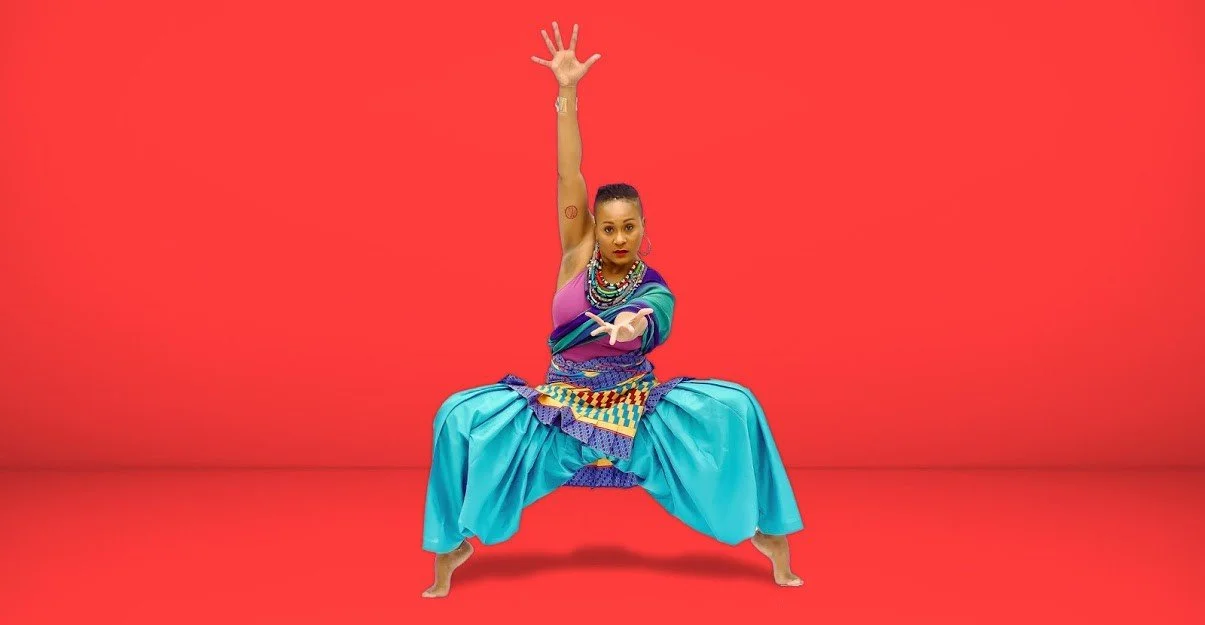
Aseelah Shareef, of the historic Karamu House theater, discusses the importance of the arts in healing and amplifying the Black experience.
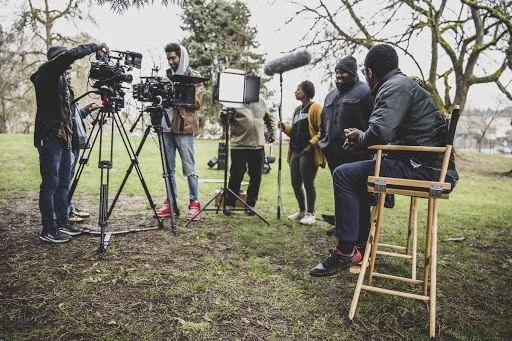
Black people have been making movies since the early 1900s. Pushed out of white Hollywood, however, Black filmmakers went on to create their own production companies, work with their own resources, and tell the story of the Black experience in groundbreaking ways.
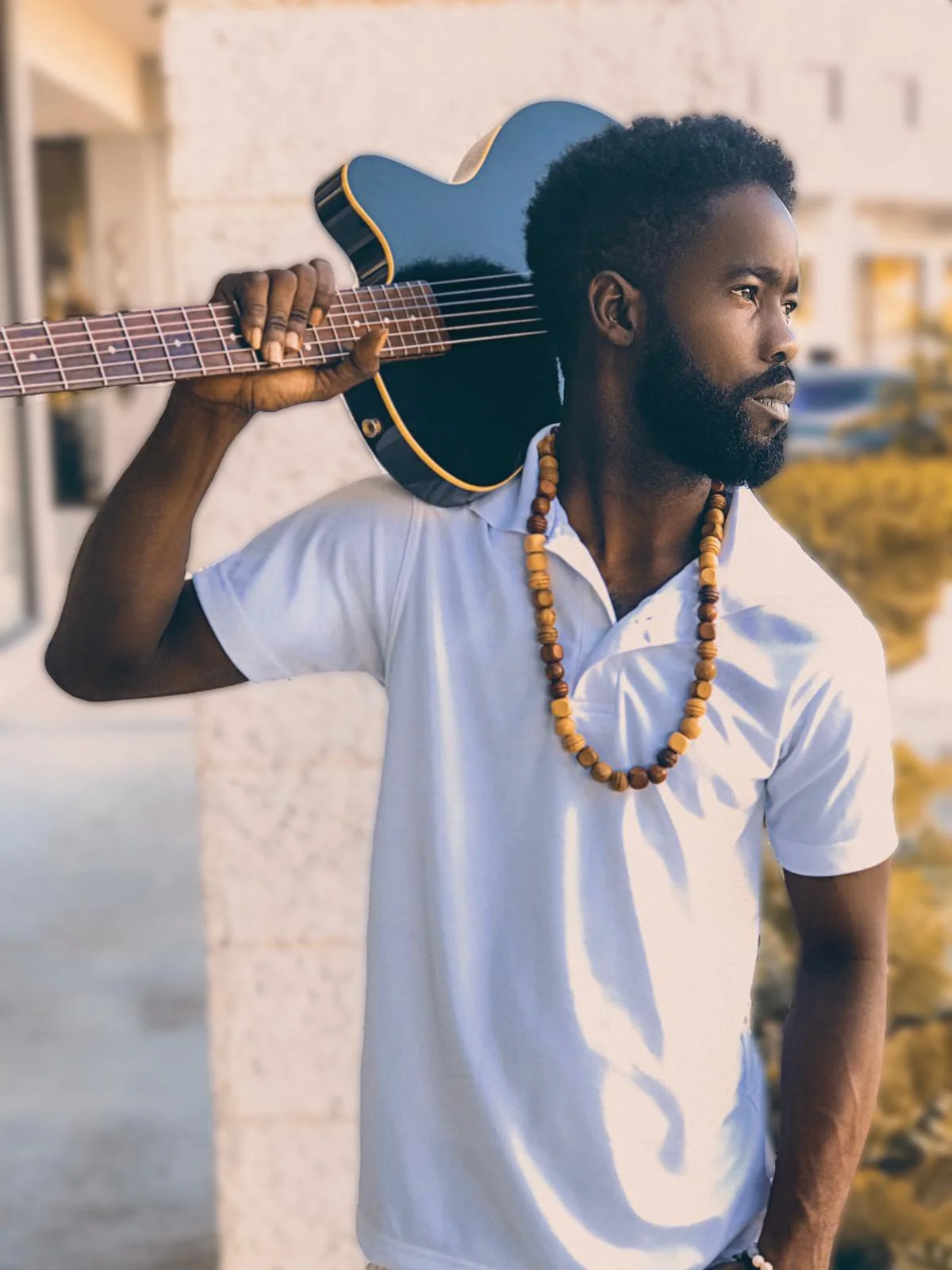
How the Barbadian artist, singer/songwriter overcame tribulations and returned to his first love.
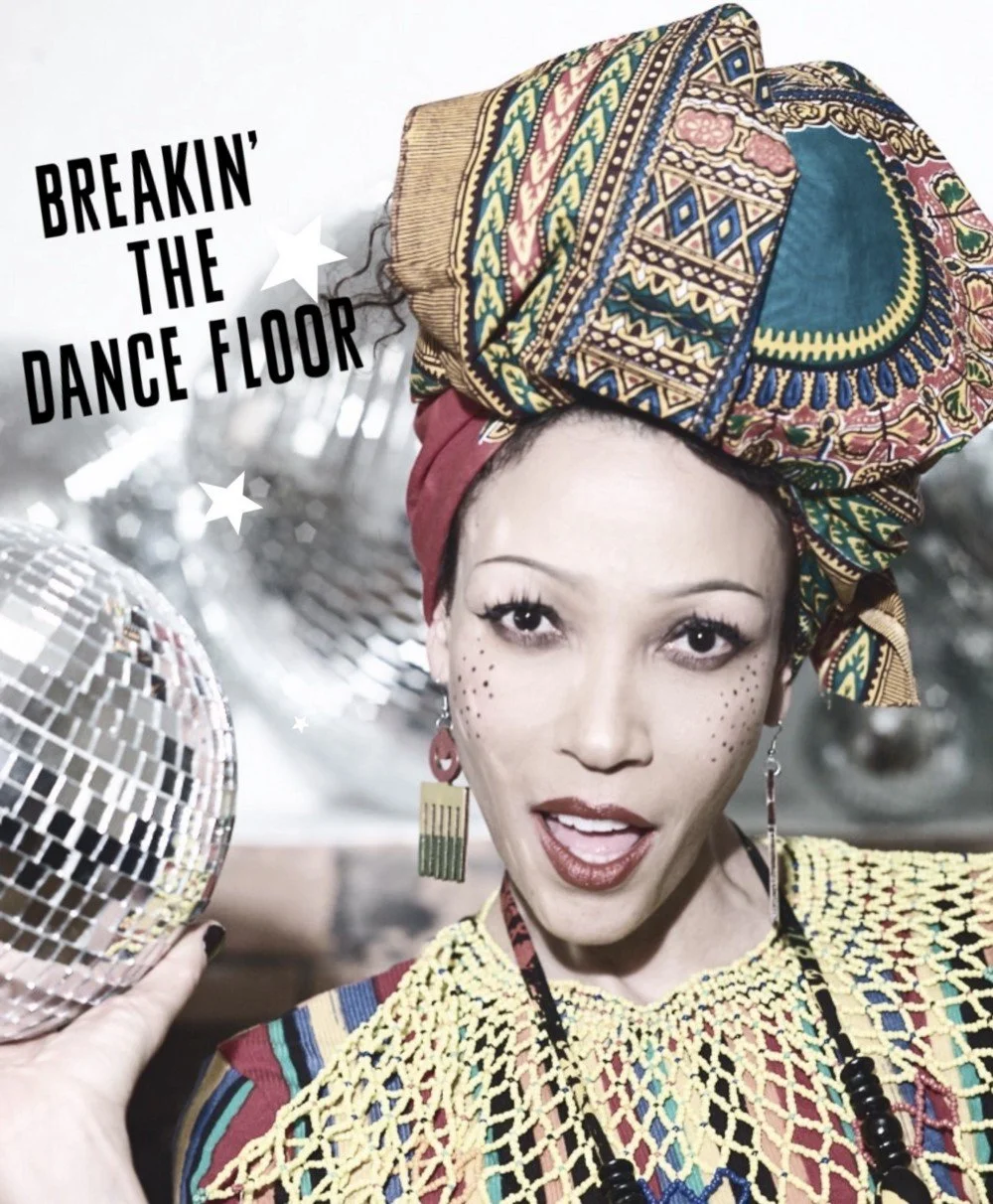
Some people know her as the indie-pop singer-songwriter of Legend of Cowgirl or the front-woman of the rhythm and cool musical duo Little Jackie but the truth is that Imani Coppola defies categorization, regardless of whichever of her 14 albums you’re listening to.

South Central artist Dough the Freshkid is a multi-talented entrepreneur and music mogul who began building his music career from the ground.

Mimicking the sounds of musical instruments like Ella Fitzgerald, fusing the nostalgic feelings of genres like R&B and Soul with Jazz and Gospel, while captivating the hearts and genius minds of legends like Prince.

Here's another British singer for you to become obsessed with. Everything about this performance moves me.

He has ten U.S. number-one hits on the pop charts as well as 20 R&B number one hits, and album sales totaling more than 100 million units. Wonder has recorded several critically acclaimed albums and hit singles, and writes and produces songs for many of his label mates and outside artists as well.


Jennah Bell, coming out of the Bay Area, is a rare talent, with an enchanting voice, and eclectic style. Her musical work is refreshingly original.
Opinion
Since magic belongs to us, we should rewrite how racism is presented on the big screen. Lovecraft Country is an HBO series created by Misha Green and inspired by Matt Ruff’s 2016 novel, of the same title.
Telling the truth of our stories and experiences is a type of justice for Black survivors of sexual violence. Owning our narratives is a form of taking back power and having the freedom to heal.
Black youth and young adults of Generation Z may have more in common with the Boomers we so eagerly make fun of than we realize. When comparing the socio-political climate of the 1960s-1970s to that of the current day, the parallels are almost uncanny.
What happens if we recognize our own power and make wealth-building (and redistribution) top priority?
Black people have been making movies since the early 1900s. Pushed out of white Hollywood, however, Black filmmakers went on to create their own production companies, work with their own resources, and tell the story of the Black experience in groundbreaking ways.
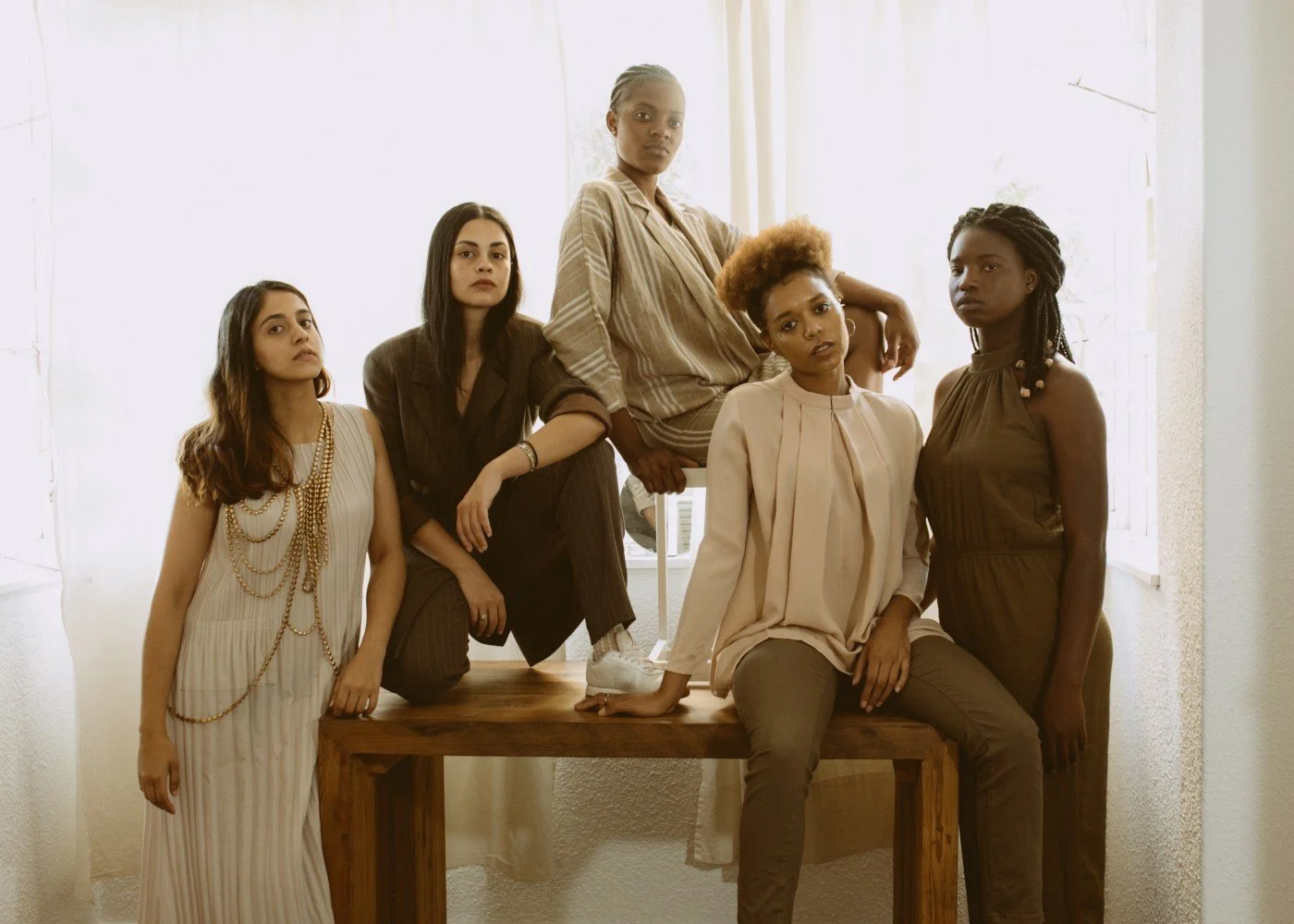
Until we’re able to recognize our significantly different struggles, no real change can come within the feminist movement. This is possible with more representation both on- and off-camera.
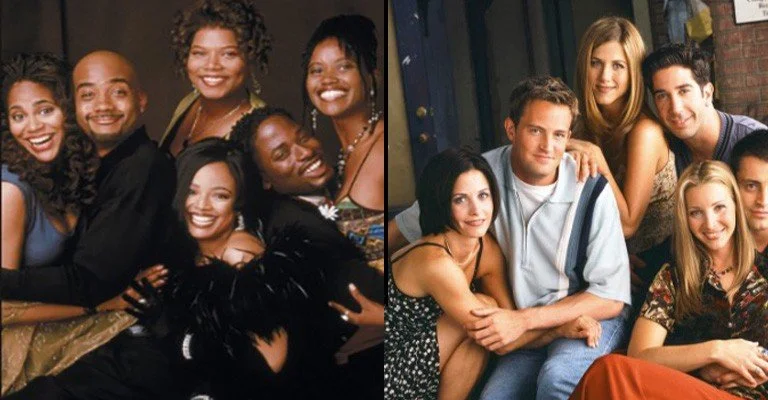
The reality of often being the only Black woman in the room, and the inevitable consequences that brings, informs much of how I see and move through the world.